Garden
At the heart of our estate lies an old garden, full of character and history, with a touch of mystery. A vast, inspiring space that has captured the imagination of many artists over the years.
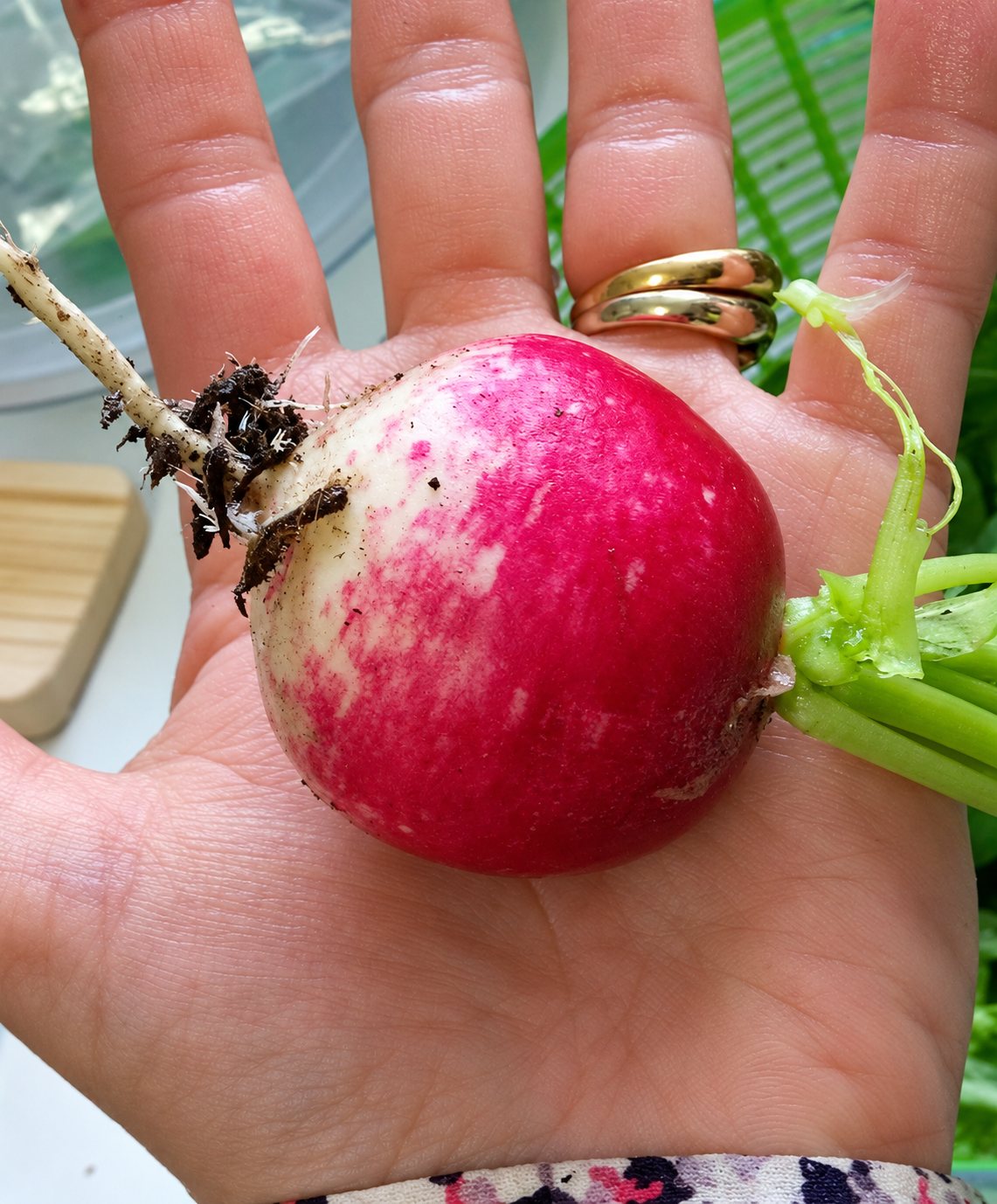
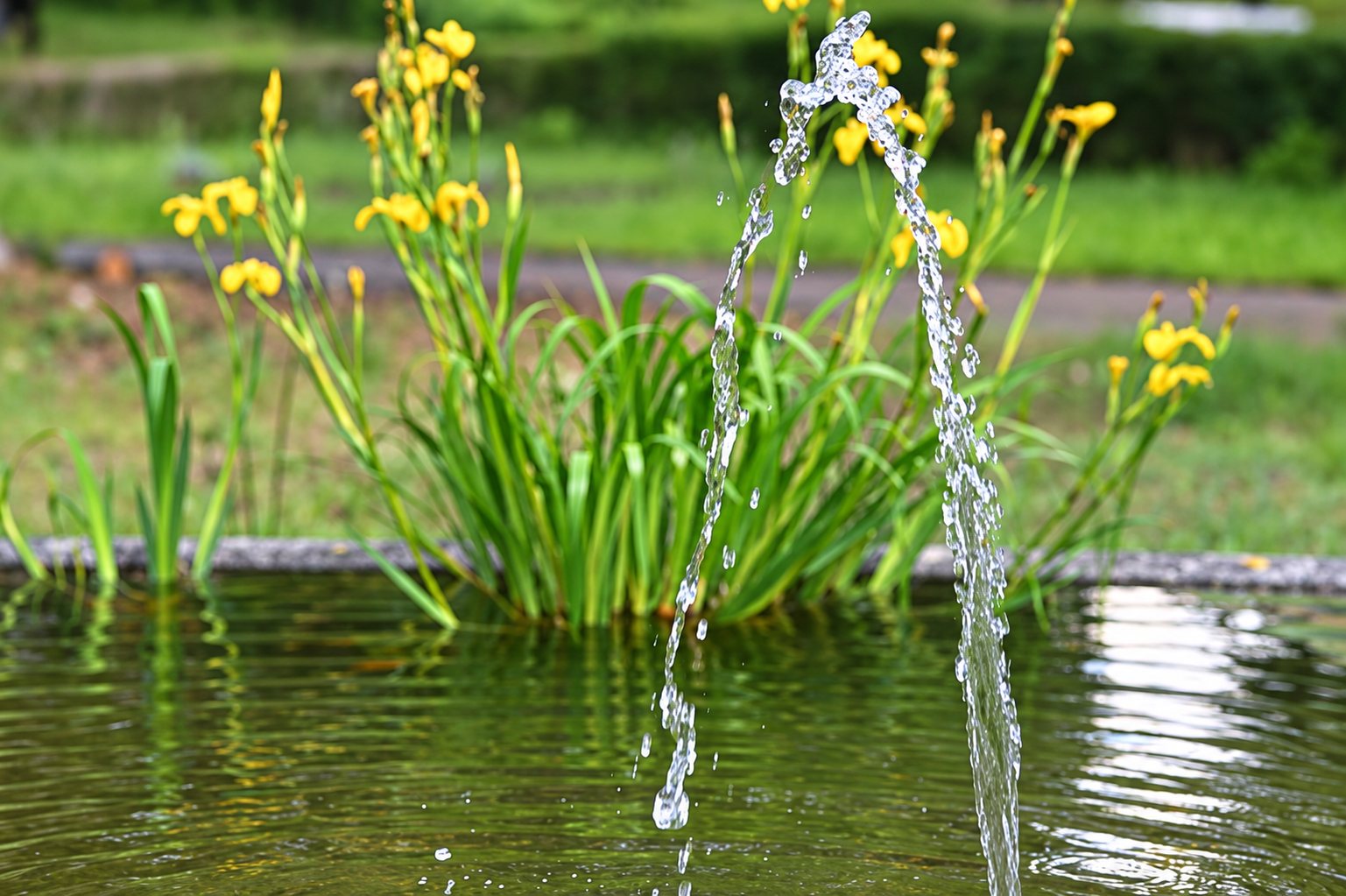
The garden is made up of a wooded park, a living vegetable garden, a fountain whispering old stories, a pond where reflections dance, an olive grove, traces of an old vineyard and even an old greenhouse awaiting restoration. Each element tells its own story and adds to the richness of the place.
Our project for a garden-school, to preserve heritage and biodiversity, is taking root here. We want to bring this garden back to life while keeping its history and encouraging nature to reclaim its place. It begins with the restoration of the old Victorian greenhouse, built in 1920 by the Burle family, who had bought the property on their return from Mexico, where they had made their fortune.
Restoring the greenhouse
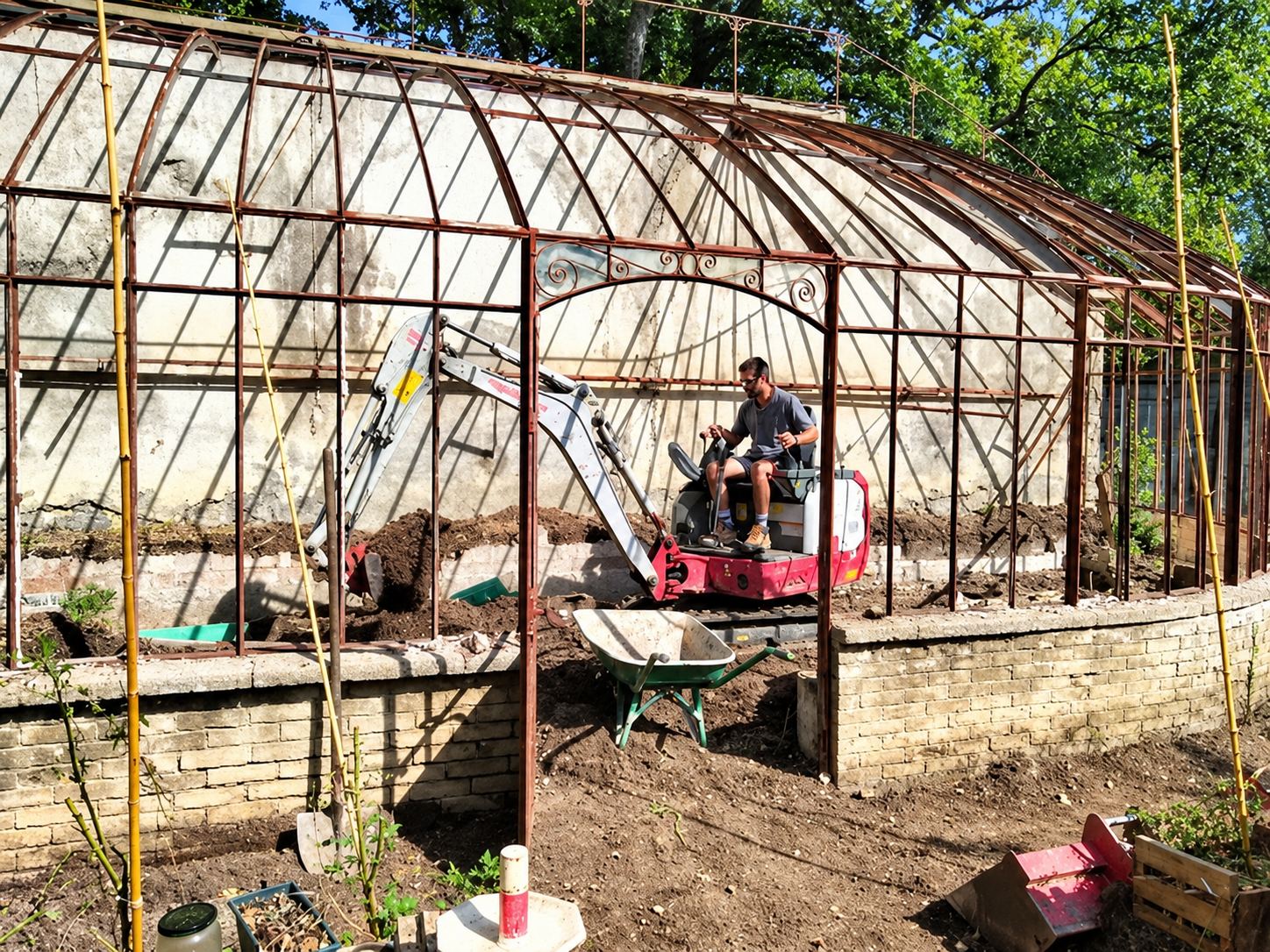
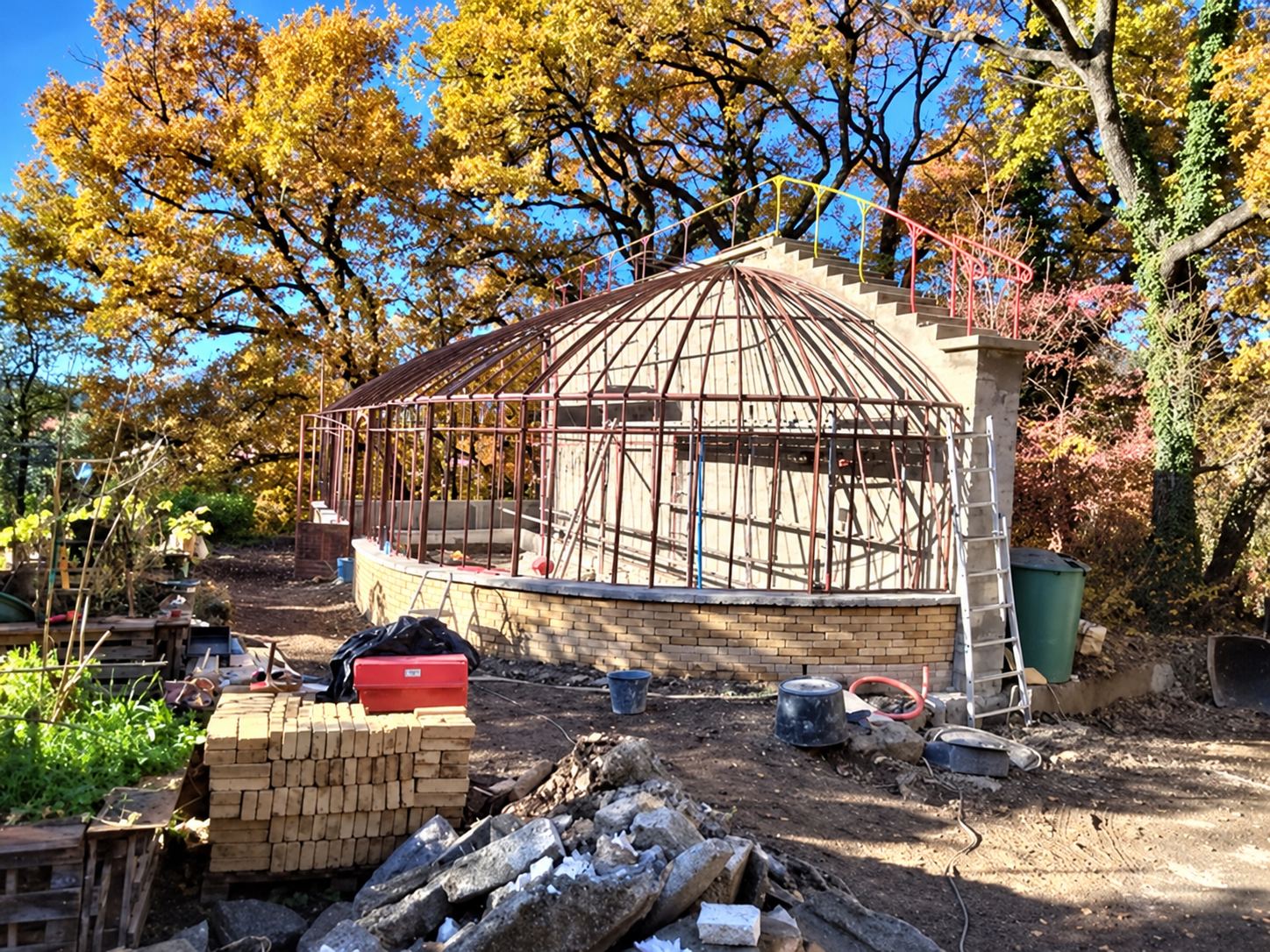
The restoration of the Victorian greenhouse has been entrusted to Pâris Dariel, who is used to working on historic buildings. It began with a careful dismantling of the different elements of the construction and the stripping of the structure, before repairs.
This restoration is made possible by the financial support of Europe and the Région Sud Provence-Alpes-Côte d’Azur. We thank the Groupement d’Action Locale du pays dignois for its guidance and the Fondation du Patrimoine for its interest in this project.
A garden school and a source of inspiration
The old vineyard will come back to life, the old greenhouse will be young again, and the vegetable gardens will become a living place of learning for younger generations. It is a project that blends past and future, in the service of a lasting nature.
The garden is not only a place of inspiration but also a refuge for local wildlife. Many birds have made their home here, and a variety of animals find shelter: a rich and diverse ecosystem.
A thousand and one flowers
This garden has a young, lively spirit. It is where history meets innovation, and heritage marries nature. A place for curious minds, young artists and lovers of biodiversity. It changes to meet today’s needs while keeping the treasures of the past, which makes it a particularly special place on our estate.
The history of the estate
The site stands where the old toll that controlled the Gaubert road in the Middle Ages once was, and covers about 3 hectares.
The building, first restored in 1730, is surrounded by gardens and farmland. The estate has had many owners over the centuries. Among them was the Marquis du Pillot, general forest warden, who took part with Prosper Demontzey in the 1868 reforestation and to whom we owe the planting of many trees in the park.
The arboretum
The arboretum laid out by the Marquis includes many specimens, some now very large: Lebanon and Atlas cedars, sequoia, sycamore maples, plane trees, large-leaved and small-leaved limes, Gordon cypress, Italian cypress, maritime pine, thuja, flowering ash, pedunculate oaks, strawberry tree and more.
The former owners
Many owners followed one another over the past decades. At 24, Lucien Burle left France for Mexico, where he made his fortune. He came back in 1891 and bought the property in 1905 to make it his country summer residence. He settled there with his wife and their two sons, Miguel and Marcel. Lucien and Jeanne Burle often welcomed their friend Maurel. We owe to them the plans and layout of the park as it is today, with its paths, the tuff fountain, the pond and the gazebos, as well as the building of a lean-to greenhouse of particular interest.
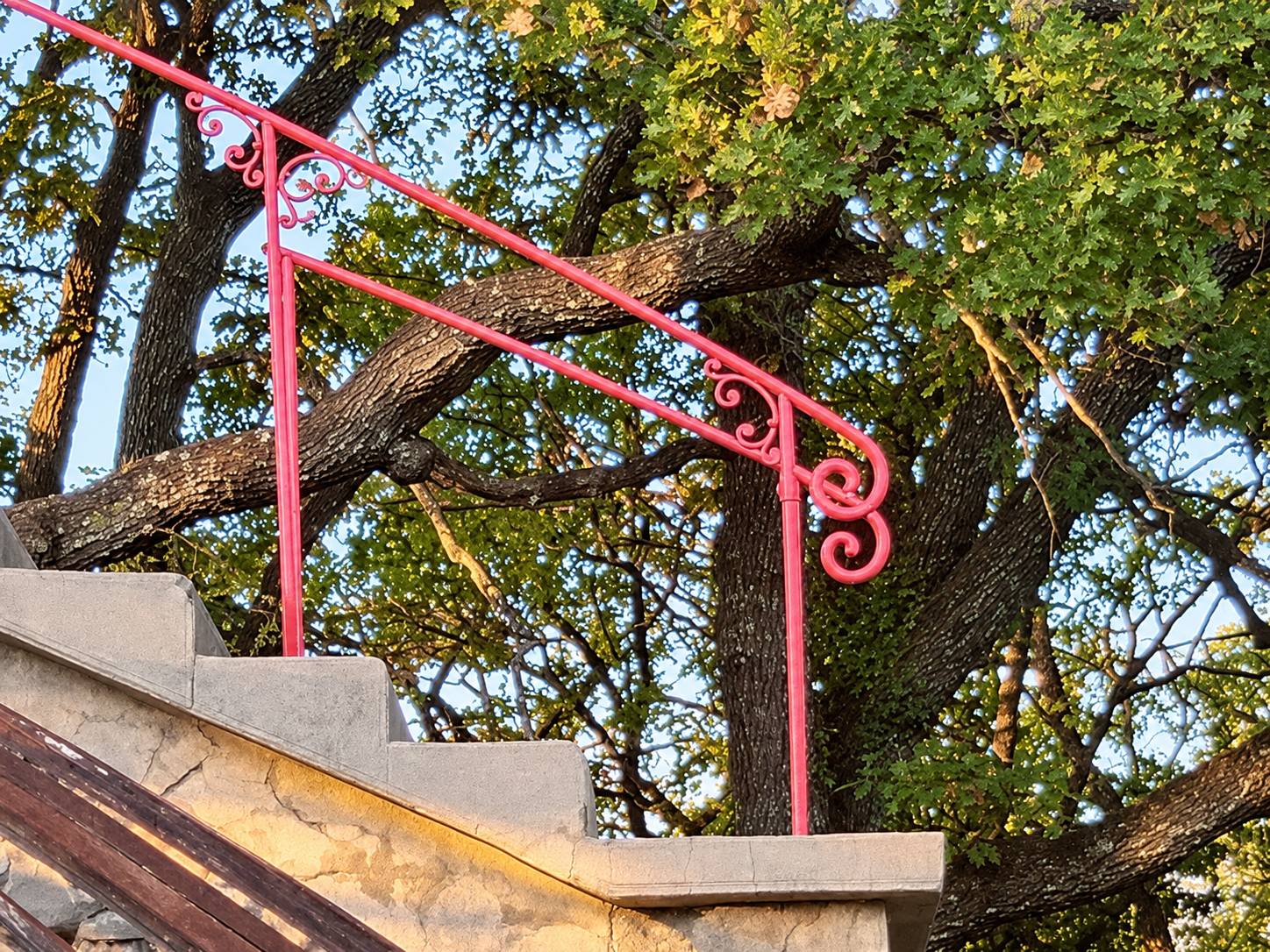
The greenhouse stands at the bottom of the property, at the corner of the Gaubert road and the old imperial road, probably where the old toll stood. It is a lean-to greenhouse against a thick wall about 5 metres high and 15 long. This rendered stone wall, facing the sun, stores heat during the day. The metal structure was made by a Marseille company, as the medallion on the door shows. The roof is made of small panes of glass, 20 cm by 40, laid like tiles and held by zinc fixings. Openings allow ventilation and control of the temperature inside. Masonry planting beds run all the way round. An irrigation system, with pipes fed by the retention ponds upstream in the property, serves the whole. A walkway with a wrought-iron handrail runs along the top of the wall: it allowed the panes to be replaced and straw mats to be rolled out for shade in summer.
The greenhouse was mainly used to prepare seedlings in spring, to plant the vast vegetable garden.
Local culture
The vegetable garden lies higher up, in front of the house. A gardener, Monsieur Giraud, lived on site. The garden seems to have been laid out with paths, channels and an irrigation system still fed by retention ponds upstream. Traces of a watercress bed and a basin remain.
An orchard, mainly apple, fig and plum trees, continued the vegetable garden. Traces of it remain. Above are an olive grove and the remains of a vineyard edged with almond trees.
In front of the house stretches the ornamental park, planted in terraces, with an avenue lined with limes and box, and a wide staircase continuing into a path that once led to a pine grove, before the new road to Nice was laid out.
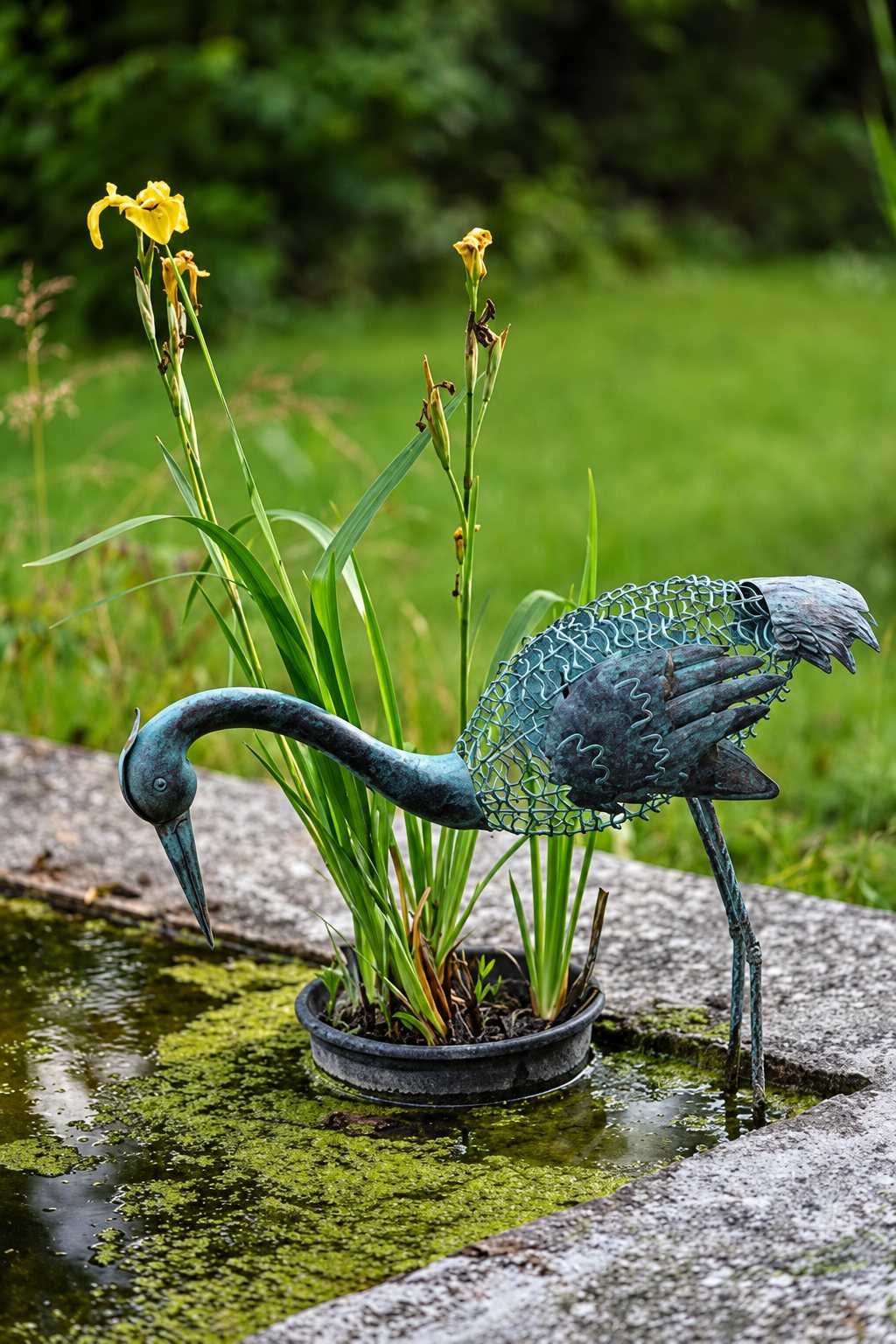
If the flora is rich, the fauna is no less so. The estate was classed as an LPO refuge in 2018 and shelters a large number of birds. Entomologists come to observe a wide variety of butterflies and other insects. The pond in front of the building holds a wide variety of water plants (horsetail, papyrus, lotus, water lilies and water irises); it is home to goldfish and frogs and attracts fine dragonflies. Toads and hedgehogs live in the vegetable garden.
Historically, the property illustrates the country living of the 19th-century bourgeoisie: farming and leisure go hand in hand. Naturally, this estate at the entrance of Digne-les-Bains is a reservoir of plant and animal species.